Author name: Reza

Reading Benefits for Mental Health

Reading Benefits for Mental Health

Reading is not only a fun activity but also a habit that greatly contributes to mental health. In this article, we will explore five benefits of reading that can strengthen the mind, increase empathy, prevent degenerative diseases, improve sleep quality, and reduce stress. 1. Strengthens the Mind Reading is a remarkable brain exercise. The activity of reading involves various cognitive processes, such as comprehension, analysis, and interpretation. Research shows that regular reading can improve cognitive function and strengthen the mind, maintaining clarity of thought as one ages. 2. Increases Empathy Reading books, especially fiction, takes readers into a different realm of characters and experiences. This can increase empathy and the ability to understand and feel others’ feelings. By reading, we can see the world from different perspectives, enriching our emotional capacity. 3. Prevents Degenerative Diseases Not only beneficial for the mind, research has also proven that reading helps prevent degenerative diseases. By stimulating the brain and maintaining memory, it can serve as a defense against degenerative diseases such as Alzheimer’s and Dementia. 4. Improves Sleep Quality Reading before bed can be a relaxing routine to prepare the body and mind for rest. Getting away from gadget screens and lowering light intensity helps the brain relax and makes sleep more restful. This leads to improved sleep quality. 5. Reduces Stress Reading can be a wonderful way to momentarily escape the pressures of daily life and alleviate the stress we encounter. Through the power of words, we are transported to imaginative worlds that capture our attention, providing a much-needed distraction from worries and anxieties. This mental escape helps to soothe emotional tension and bring a sense of calm. Studies have consistently shown that maintaining a regular reading habit can significantly lower stress levels, improve relaxation, and contribute to overall emotional well-being. By cultivating the habit of reading regularly, we can unlock a wealth of benefits that significantly enhance our mental and emotional well-being. Reading not only stimulates our minds, expands our knowledge, and improves cognitive functions, but it also serves as a powerful tool for reducing stress, fostering empathy, and promoting emotional resilience. Through books, we gain new perspectives, broaden our understanding of the world, and develop a deeper sense of connection with ourselves and others.

Reading Benefits for Mental Health Read More »
What is Lamination in Printing?

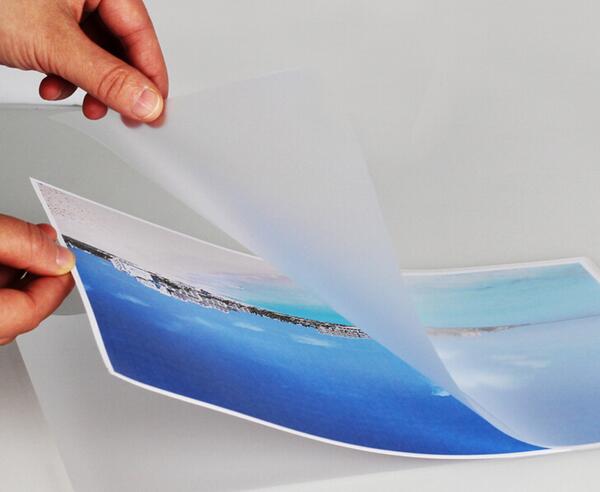
In the world of printing, the final touch can make all the difference. Many people often consider lamination a critical finishing process that not only protects printed materials but also significantly enhances their visual appeal. This comprehensive guide explores the fundamentals of what is lamination in printing, from its definition and various types to its numerous benefits and wide-ranging applications. Understanding What is Lamination in Printing Lamination in printing is defined as the process by which a thin, transparent layer is applied to the surface of a material, such as paper or stickers, to protect it and enhance its appearance. Additionally, this involves adding a clear plastic film to one or both sides of a printed item. For instance, laminating materials gives them an extra shield against everyday wear. Types of Lamination for Printed Materials The printing and packaging industries use several common types of lamination. Moreover, they are typically categorized by their final appearance and the method of application. Based on Finish Based on Application Method The Key Benefits of Lamination in Printing Lamination offers numerous advantages for your printed materials: The Lamination Process Explained in Detail Several key steps ensure a high-quality lamination result: Wide-Ranging Industry Applications of Lamination Various sectors extensively use lamination for a wide range of applications: Tips for Choosing the Right Type of Lamination for Your Needs To achieve the best results, consider the following factors: Conclusion In summary, the printing and packaging industries recognize lamination as an essential process that offers a perfect blend of protection and aesthetic enhancement. By understanding the different types, benefits, and processes involved in lamination, you can make an informed choice that ensures your final product is both durable and visually impressive.

What is Lamination in Printing? Read More »

Pros and Cons of Four Commonly Used Printing Machines

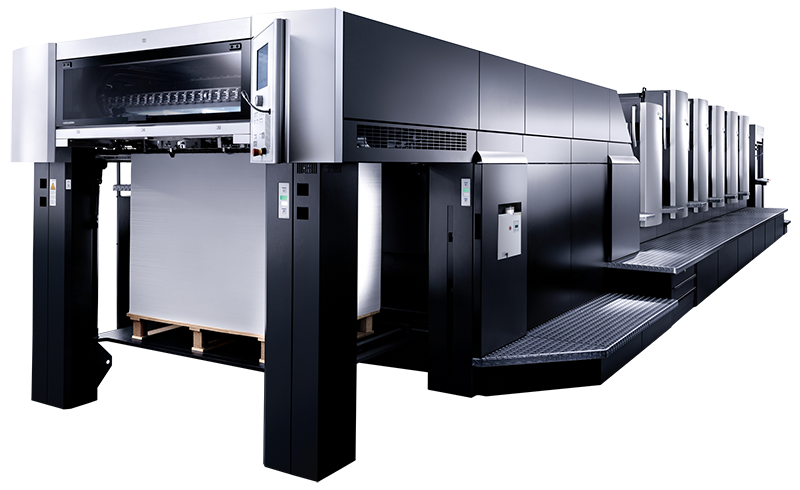
In this modern era, priting machine technology continues to develop, providing more eficient and better quality pritinng solution. The four typical types of printing machines are offset printing machines, digital printing machines, flexography machines, and rotogravure machines. Let’s explore each of them deeper. Offset Printing Machine Offset printing is a printing technolgy that has dominated the industri for decades. The process involves transferring an image from a metalic plate cylinder to a rubber cylinder, and then to a print medium, which usually paper. The main advantage of offset printing is its ability to produce high-quality prints on a large production scale. This makes it an ideal choice for printing books, magazines, and promotional material in large quantities. Advantages: Offset printing machines stand out for thier ability to produce high-quality prints in large quantities. The litoghraphy process in offset printing provides accurate color reproduction and sharp details. Disadvantages: Offset printing machines take a long time to set up, making it less efficient for small-scale production. Moreover, the initial and the maintenance costs also tend to be high. Uses: Ideal for printing large quantities of materials such as magazines, brochures, and product packaging. Digital Printing Machines With the advancement of technology, digital printing has emerged as an innovative alternative. This machine can print directly from a computer file without the need for a printing plate. Its high flexibility dan ability to print small to medium quantities have made it a popular choice. Digital printing is suitable for personalization need such as image printing, brochures, and documents with small copies. Advantages: Digital printing allows for high flexibility and personalization in printing. This suitable for small-to-medium scale printing at a more affordable cost. Disadvantages: Digital printing machines may be less precise in color and detail compared to offset printing. The cost per page can also be higher for bigger print. Uses: Used for printing invitations, promotional brochures, and materials with high personalization needs. Flexography Printing Machines Flexography machines are widely used to print packaging such as cardboard, labels, and plastic packaging. The process involves transferring ink from a flexible plate to the print medium. The main advantage of flexography is its ability to print on a various kind of matrials, including non-absorbent materials such as plastic and foil. This machine is suitable for large-scale production with waterproof and durable print results. Advantages: Flexography has the ability to print on various kind of surfaces, including paper, plastic, and other flexible packaging materials. High production speed is its advantages. Disadvantages: Not ideal for printing images with a high level of precise detail. Uses: Commonly used in the packaging industry, such as labels, food packaging, and household products. Rotogravure Printing Machines Rotogravure machines use engraved cylinders to transfer ink to the print medium. They are often used to print high-quality images on product packaging and promotional materials. The advantages of rotogravure include the ability to print with high precision and good production speed. However, the production process requires high initial cost. Advantages: Rotogravure machines maintain the highesth level of precision in printing images, especially on prints with fine details. Disadvantages: The initial and maintenance costs of rotogravure machines are very high. The process is also inefficeint for small-scale production. Uses: Used in the production of high art prints, labels, and premium packaging. By understanding the characteristics and uses of each printing machine, the printing industry can choose the technology that suits its production needs. In an era where creativity and efficiency meet, choosing the rihgt printing machine is a strategic step for success in the printing business.

Pros and Cons of Four Commonly Used Printing Machines Read More »

RGB and CMYK: Key Differences

In graphic design and printing realm, the understanding of color is one of the most important elements to produce an optimal creation. Two color methods frequently used are RGB and CMYK. Although both of them are used to represent color, RGB and CMYK have different functions and usage. This article will thoroughly explain about RGB and CMYK, their differences, and the importance of choosing the right color method according to your needs. Definition of RGB RGB stands for Red, Green,and Blue. This color method is based on the combination of three primary colors of light: red, green, and blue. RGB works with the principle of additive color, where color is produced by mixing light. When we mix all colors at full intensity, we obtain white as the result. RGB is often used for digital devices, such as: Definition of CMYK CMYK is the abbreviation for Cyan, Magenta, Yellow,and Key (Black). This color method is based on the principle of subtractive color, where color is produced by absorbing light. When we mix all colors in the same composition, we obtain a color close to black (or dark grey). CMYK is used for the printing process on various media, such as: Differences between RGB and CMYK Aspect RGB CMYK Primary Colors Red, Green, Blue Cyan, Magenta, Yellow, Black Color Method Additive (mixing light) Subtractive (reducing light) Media Digital Screen Conventional Printing Color Spectrum Wider Narrower Application Computer screens, television, and mobile devices Print media, such as books and brochures 1. Color Basis 2.  Primary Use 3. Color Scope 4. Color Output The Importance of Choosing the Right Color Method Choosing the right color method is crucial to avoid unwanted differences in color results. For example, if you design a poster using RGB on a digital screen and print it directly without converting to CMYK, your printed result can be very different from what is seen on the screen. Therefore, it is important always to check the color format before printing. Print with the Best Color Quality at PT Macananjaya Cemerlang To ensure that your print results have maximum color quality, trust your printing needs to PT Macananjaya Cemerlang. We use advanced technology and a professional team to deliver print results that meet your expectations. Why Choose Us? Don’t hesitate to contact us and make your design into a high-quality print. Trust PT Macananjaya Cemerlang for printing results with colors that meet your expectations!

RGB and CMYK: Key Differences Read More »

About

Connect

MJC-PRINTING

© PT Macananjaya Cemerlang

Scroll to Top