
What is Lamination in Printing?
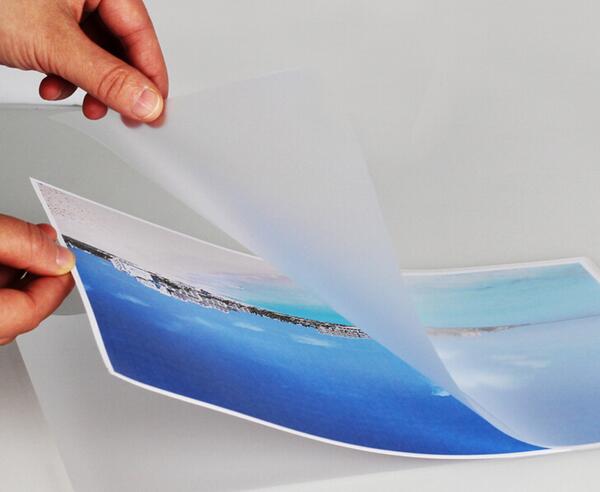
In the world of printing, the final touch can make all the difference. Many people often consider lamination a critical finishing process that not only protects printed materials but also significantly enhances their visual appeal. This comprehensive guide explores the fundamentals of what is lamination in printing, from its definition and various types to its numerous benefits and wide-ranging applications. Understanding What is Lamination in Printing Lamination in printing is defined as the process by which a thin, transparent layer is applied to the surface of a material, such as paper or stickers, to protect it and enhance its appearance. Additionally, this involves adding a clear plastic film to one or both sides of a printed item. For instance, laminating materials gives them an extra shield against everyday wear. Types of Lamination for Printed Materials The printing and packaging industries use several common types of lamination. Moreover, they are typically categorized by their final appearance and the method of application. Based on Finish Based on Application Method The Key Benefits of Lamination in Printing Lamination offers numerous advantages for your printed materials: The Lamination Process Explained in Detail Several key steps ensure a high-quality lamination result: Wide-Ranging Industry Applications of Lamination Various sectors extensively use lamination for a wide range of applications: Tips for Choosing the Right Type of Lamination for Your Needs To achieve the best results, consider the following factors: Conclusion In summary, the printing and packaging industries recognize lamination as an essential process that offers a perfect blend of protection and aesthetic enhancement. By understanding the different types, benefits, and processes involved in lamination, you can make an informed choice that ensures your final product is both durable and visually impressive.
What is Lamination in Printing? Read More »
